Samsung’s Galaxy S26 Series Puts AI Photo Editing Center Stage at Unpacked — Amid Growing “Slop Watch” Scrutiny
By PodCrafta Tech News Desk | Updated 2026
But this launch comes at an interesting time. Across the tech world — especially in the U.S. and Europe — critics are raising concerns about AI-generated image manipulation, sometimes referred to as “slop watch.”
So what exactly is Samsung doing with AI in the Galaxy S26? And is it enhancing creativity — or crossing a line?
AI Photo Editing Takes the Spotlight
The Galaxy S26 lineup introduces advanced on-device AI tools that go far beyond basic filters. Samsung showcased features such as:
- AI Object Relighting
- Real-time Background Expansion
- Generative Fill for missing areas
- Smart Subject Isolation
- AI Detail Recovery for zoom shots
Unlike previous generations, the S26 processes many of these edits directly on-device, improving privacy and speed.
This move positions Samsung competitively against AI-driven features seen in other flagship devices released in 2025 and early 2026.
What Is the “Slop Watch” Debate?
The term “slop watch” has gained traction online to describe low-quality or misleading AI-generated images flooding social platforms.
Concerns include:
- Over-edited photos that distort reality
- Misleading generative edits in journalism
- AI artifacts in social media posts
- Trust issues around authenticity
Samsung addressed this indirectly by emphasizing transparency tools, including metadata indicators that show when generative AI edits have been applied.
Galaxy S26 Series: Expected Core Specifications
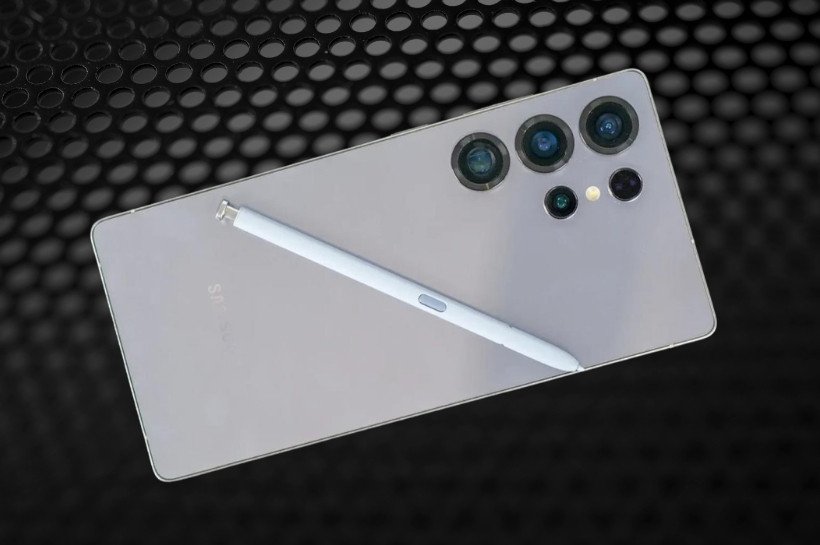
While AI dominated the presentation, the hardware still matters. The Galaxy S26 series is expected to include:
- Next-gen Snapdragon / Exynos chipset (region dependent)
- Enhanced Neural Processing Unit (NPU)
- Upgraded periscope zoom system
- AMOLED 2X adaptive display
- Improved battery efficiency with AI power management
For a detailed breakdown of flagship specs, check our upcoming coverage in Gadget Reviews & Specs.
On-Device AI vs Cloud AI: Why It Matters
One key trend in 2026 is the shift toward on-device AI processing. This reduces:
- Cloud dependency
- Latency issues
- Privacy concerns
- Data transfer risks
Samsung appears to be leaning heavily into this strategy, aligning with global privacy regulations emerging in Europe and Australia.
If you’re interested in how AI tools are evolving across industries, explore our AI Tools & Software section.
Is Samsung Redefining Smartphone Photography?
The Galaxy S26 series signals a shift from hardware-only camera upgrades to AI-first photography experiences.
Instead of just improving megapixels, Samsung is focusing on:
- Context-aware image correction
- Scene-based AI enhancement
- Real-time editing suggestions
- Adaptive portrait reconstruction
This reflects a broader industry move where AI becomes the “invisible photographer.”
Early Industry Reactions
Tech analysts in the U.S. describe the S26 as Samsung’s most software-driven flagship yet.
However, critics argue that the more powerful generative tools become, the harder it may be for consumers to distinguish between authentic photography and AI-assisted fabrication.
This tension could shape smartphone innovation throughout 2026.
Final Thoughts: Innovation or Overreach?
Samsung’s Galaxy S26 launch makes one thing certain — AI is no longer a feature. It’s the foundation.
Whether the public embraces advanced generative editing or demands stricter authenticity standards remains to be seen.
But one reality is clear: smartphone photography has entered its AI era.
Stay Updated
For more breaking updates, visit our Tech News & Updates section and bookmark PodCrafta — your daily source for tech clarity.
Frequently Asked Questions (FAQ)
Does Galaxy S26 edit photos automatically with AI?
Yes, AI enhancements can be applied automatically, but users can toggle or customize many of the editing features.
Is Samsung using cloud-based AI?
Many core features run on-device, though some advanced generative tools may use cloud processing depending on region.
What is “slop watch” in tech discussions?
It refers to criticism around excessive or misleading AI-generated images circulating online.